What we are aiming for
At Bassenthwaite, we want children to develop curiosity about the world and a secure understanding of local, national and global geography. Pupils learn about places, people, environments and physical and human processes — and how these connect and change over time.
Geography encourages children to ask questions, explore patterns and make sense of the world around them. We want pupils to understand how people and environments affect each other and to develop empathy and kindness when learning about diverse communities and global issues.
Research, mapwork and first-hand experience are central to Geography at Bassenthwaite. Children learn to use maps, atlases, images and digital tools to investigate places, gather information and present what they find. Through this, pupils build confidence in explaining their ideas and grow as independent learners who can apply their knowledge to new contexts.
Vocabulary is an important part of geography learning. Children build and use geographical language to describe, explain and discuss ideas clearly and accurately.
How learning happens
Mixed-age classes
Geography is planned carefully across mixed-age classes to ensure full curriculum coverage and clear progression. Topics are taught on a rolling cycle so that key concepts are revisited and understanding deepens over time. Teachers use progression documents and assessment to build on what children already know, address misconceptions and support every child to succeed.
How we get there
Geography is taught through enquiry questions. Each unit begins with a key question that guides learning and investigation. Children explore the world using:
- maps, atlases and globes
- photographs, diagrams and aerial images
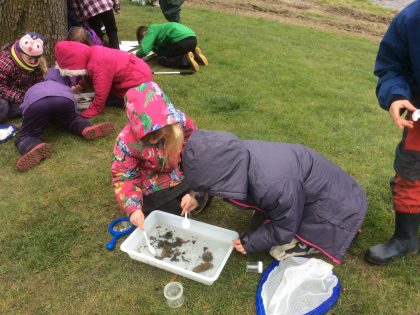
- data collection and simple fieldwork
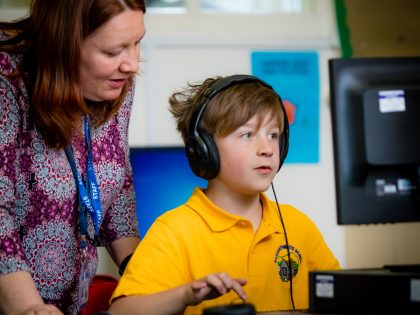
- digital mapping and technology (where appropriate)
- texts, case studies and research materials
Pupils learn to work like geographers by asking questions, using evidence, spotting patterns and explaining why places are the way they are.
Knowledge and geographical thinking
Lessons build both geographical knowledge and geographical thinking skills. Children learn about place, space, scale, interdependence, sustainability and change. Knowledge maps, visuals, key vocabulary and regular retrieval activities help children organise and connect their learning.
Learning is designed to connect new knowledge, stretch thinking and support children in applying what they know to new geographical questions — building confidence and independence over time.
What children gain
Children gain a secure understanding of important geographical knowledge, alongside the skills needed to investigate and interpret the world. They develop curiosity, questioning skills and confidence in discussing geographical ideas.
They learn to use geographical vocabulary, apply map skills, analyse information and explain connections between people, places and environments. Through this, children build empathy and respect for diverse communities and develop a sense of responsibility for caring for a changing world.
By the time they leave Bassenthwaite, pupils see geography as meaningful and relevant, and are ready to continue their learning with interest and confidence.
How we know
We see progress in geography through children’s ability to answer enquiry questions using accurate vocabulary and clear explanations. Pupils can use maps and spatial thinking more confidently over time, explain links between human and physical geography, and reflect thoughtfully on environmental issues.
Teachers check understanding through discussion, written work, fieldwork tasks, quizzes and retrieval activities. Regular revisiting of prior learning helps knowledge become secure and connected, so all pupils continue to grow as confident, curious young geographers.
How you can help at home
You can support your child’s geography learning through simple conversations and experiences outside school.
Talk about places and journeys
- Point out landmarks, rivers, hills, farms, roads and settlements when travelling
- Use directional language (left/right, near/far, north/south)
- Encourage your child to explain what they notice — and praise confident thinking, even when they are unsure
Use maps little and often
- Look at a map together before a day out
- Help your child locate where they live and places they know
- Follow a simple route, spot symbols, compare distances and talk about scale
Encourage curiosity and questioning
- Ask questions like: Why is this here? How might this place change? What would happen if…?
- Wonder together about how people and the environment affect each other
- Encourage kind and empathetic thinking when discussing different places and communities
Explore the local area
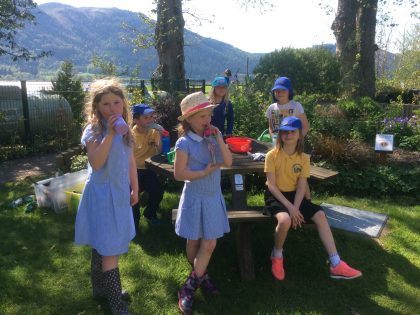
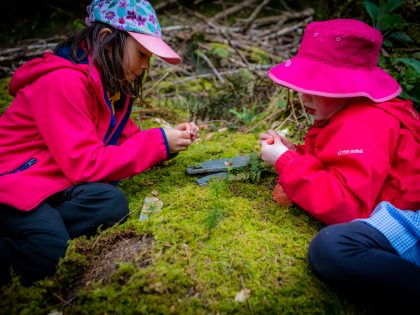
- Go for walks and notice physical features (streams, slopes, woodland, fields)
- Talk about weather, seasons and changes over time
- Encourage care for the environment (respecting habitats, reducing litter, noticing wildlife)
Read, research and discuss
- Use atlases, globes and non-fiction books
- Watch age-appropriate documentaries and talk about what you learn
- Discuss environmental issues in a hopeful way, focusing on solutions and responsibility
Build independence
- Let your child plan part of a route or help with directions
- Ask them to sketch a simple map of their bedroom, garden or route to school
- Encourage them to explain their thinking using geographical vocabulary
Helpful websites for families
Parents and carers may find the following websites useful for supporting geography learning at home:
- BBC Bitesize – Geography (Primary)
Clear explanations, videos and quizzes covering physical and human geography.
https://www.bbc.co.uk/bitesize/subjects/zrw76sg - National Geographic Kids
Child-friendly articles, maps and videos about the world.
https://kids.nationalgeographic.com - Ordnance Survey – MapZone
Activities to help children understand maps and symbols.
https://www.ordnancesurvey.co.uk/mapzone - Google Earth
Explore places around the world together and compare environments.
https://earth.google.com
These websites work best when used alongside discussion and exploration.