
What we are aiming for
At Bassenthwaite, English is at the heart of our curriculum. We aim for all children to become confident readers, capable writers and articulate communicators, able to express their ideas clearly and understand the world around them.
Our approach is rooted in our core values:
- Curiosity – encouraging children to explore texts, ask questions and develop a love of reading
- Confidence – supporting children to share ideas, perform and take risks in their writing
- Independence – enabling children to plan, edit and improve their own work
- Empathy – developing understanding of characters, viewpoints and experiences
- Kindness – fostering respectful discussion, listening and collaboration
How we get there
Reading
Reading is prioritised across the school and is taught through a combination of systematic phonics, guided reading and whole-class text work.
In EYFS and Key Stage 1, children are taught to read through the Read Write Inc phonics programme, which provides:
- daily, structured phonics teaching
- systematic progression in sounds and blending
- regular assessment to ensure children keep up and catch up
- decodable reading books matched closely to phonics knowledge
As children progress, reading teaching develops to include:
- fluency and expression
- comprehension skills such as inference, prediction and summarising
- discussion of themes, characters and author intent
- exposure to a wide range of fiction, non-fiction and poetry
Reading is promoted throughout the curriculum and children are encouraged to develop a love of reading for pleasure.
Progression of skills for reading can be found here.
Writing
Writing is taught through high-quality texts, meaningful contexts and purposeful outcomes.
Children learn to:
- write for a range of purposes and audiences
- develop ideas through discussion and planning
- use grammar, punctuation and spelling accurately
- draft, edit and improve their work
- reflect on and refine their writing
Teachers model the writing process explicitly, demonstrating how ideas are developed, structured and improved.
Children are encouraged to take pride in their work, showing independence and resilience as they refine and improve their writing.
Progression of skills for writing can be found here.
Speaking and Listening
Speaking and listening are central to all learning at Bassenthwaite.
Children are explicitly taught to:
- articulate ideas clearly and confidently
- listen attentively and respond with empathy and respect
- ask questions and build on others’ ideas
- take part in discussions, debates and performances
Opportunities for talk are built into every lesson, supporting children to develop confidence, reasoning and communication skills.
Knowledge, vocabulary and English thinking
Vocabulary development is a key priority.
- New vocabulary is taught explicitly and revisited regularly
- Children are encouraged to use ambitious vocabulary in speech and writing
- Language is explored across all subjects to deepen understanding
Children develop:
- knowledge of grammar, punctuation and spelling
- understanding of text structure and organisation
- ability to think critically, infer meaning and explain ideas
Progression of vocabulary can be found here.
How we support all children
Children are taught in mixed-age classes, where strong relationships help everyone feel included and valued. Lessons are carefully planned so children are supported and challenged at the right level.
Because our school is small, children get big opportunities to contribute, lead and shine.
How we know children are doing well
Teachers assess children’s progress through:
- regular reading assessments and discussions
- ongoing evaluation of writing
- phonics assessments within the Read Write Inc programme
- feedback to support next steps
Assessment is used to ensure all children make strong progress and receive timely support.
At Bassenthwaite, we want children to leave us as confident readers, capable writers and thoughtful communicators — proud of who they are and ready for what comes next.
How you can help at home
You play an important part in helping your child grow in confidence with English. Small, regular activities at home make a big difference.
Reading
- Read with your child every day where possible
- Talk about the story, characters and new words
- Ask questions like What do you think will happen next? and Why do you think that?
- Encourage your child to read a wide range of books and texts
- Let your child see you reading too
Writing
- Encourage your child to write for real purposes — lists, notes, cards and messages
- Talk about their ideas before they start writing
- Praise effort and creativity as well as accuracy
- Help them check their work and make small improvements
Speaking and listening
- Make time for conversation
- Encourage your child to explain their ideas and opinions
- Listen and respond with interest
- Introduce new vocabulary in everyday talk
Keep it positive
- Celebrate progress
- Be patient with mistakes — they are part of learning
- Keep activities short and encouraging rather than pressured
Helpful websites for families
Parents and carers may find the following websites useful for supporting reading, writing and communication at home:
- Oxford Owl – free eBooks, phonics guidance and practical advice to support reading and writing at home.
https://www.oxfordowl.co.uk - BBC Bitesize (Primary English) – short videos, games and activities to support reading, writing, spelling and grammar.
https://www.bbc.co.uk/bitesize/subjects/zv48q6f - National Literacy Trust – advice, activities and ideas to support reading for pleasure and writing at home.
https://literacytrust.org.uk/family-zone - Phonics Play – interactive phonics games to support early reading and spelling (free content available).
https://www.phonicsplay.co.uk - Words for Life – practical tips for talking, reading and storytelling with children of all ages.
https://wordsforlife.org.uk
-

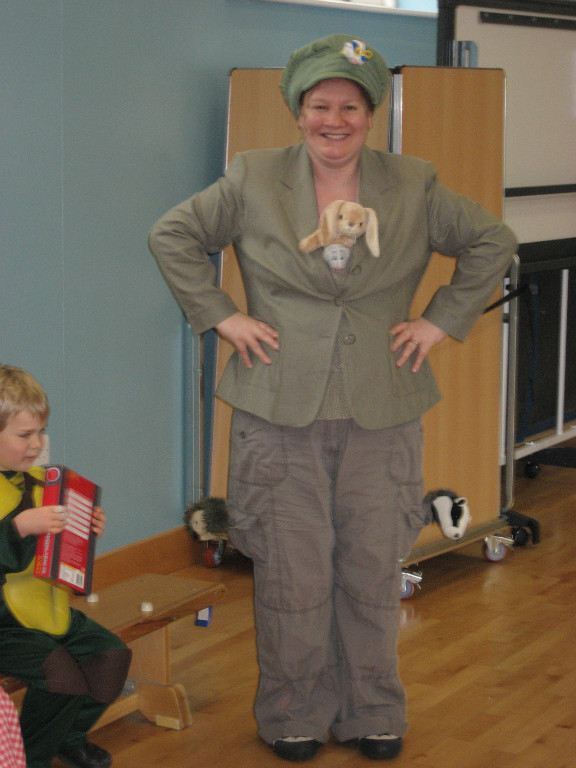
- Mrs Royle as Percy the Park Keeper
-

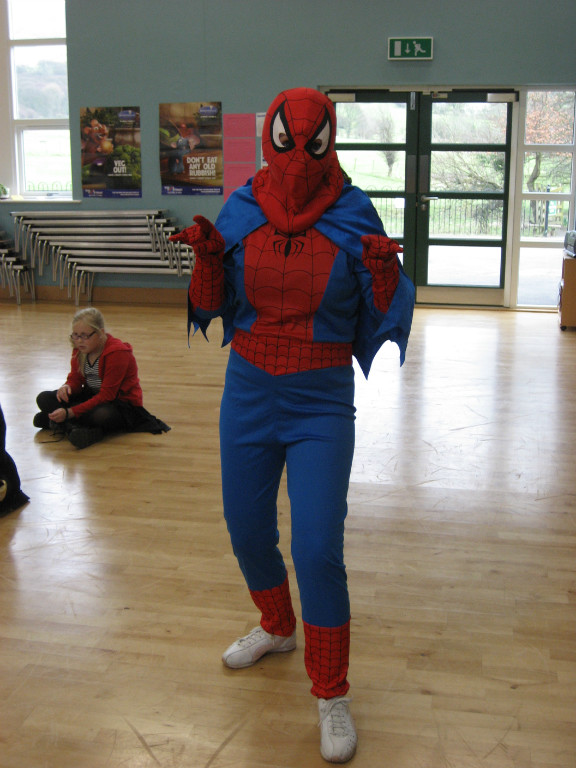
- Guess who as Spiderman???
-

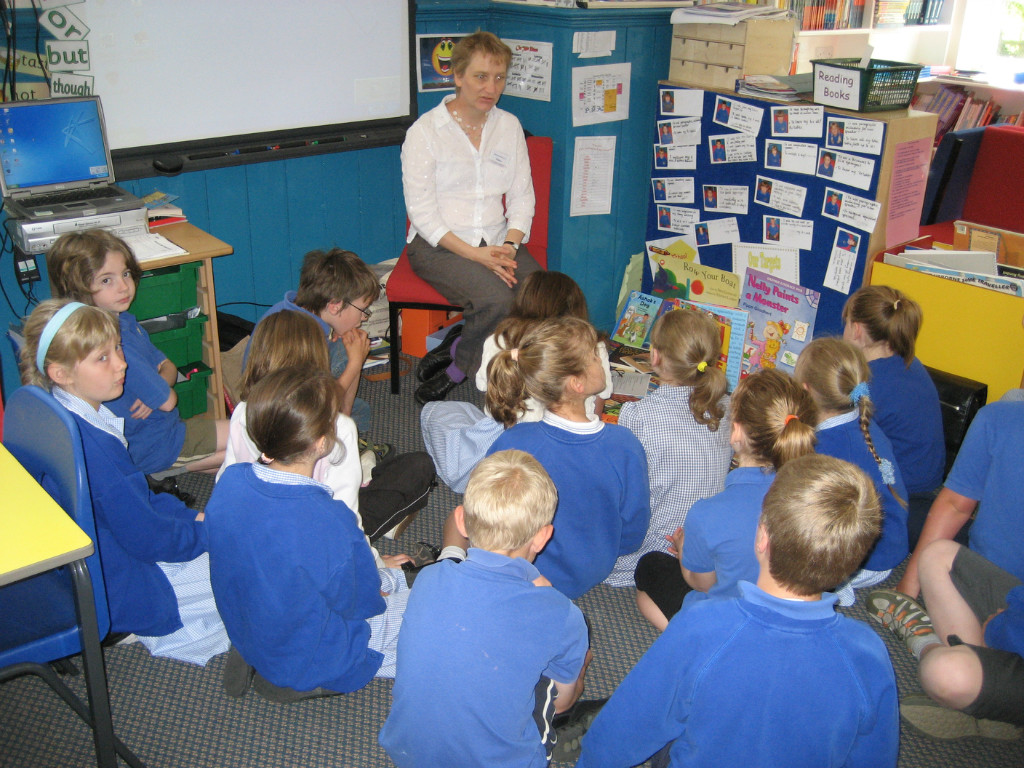
- Author Pippa Goodhart redaing one of her books
-

- Checking their book knowledge on Accelerated Reading

-
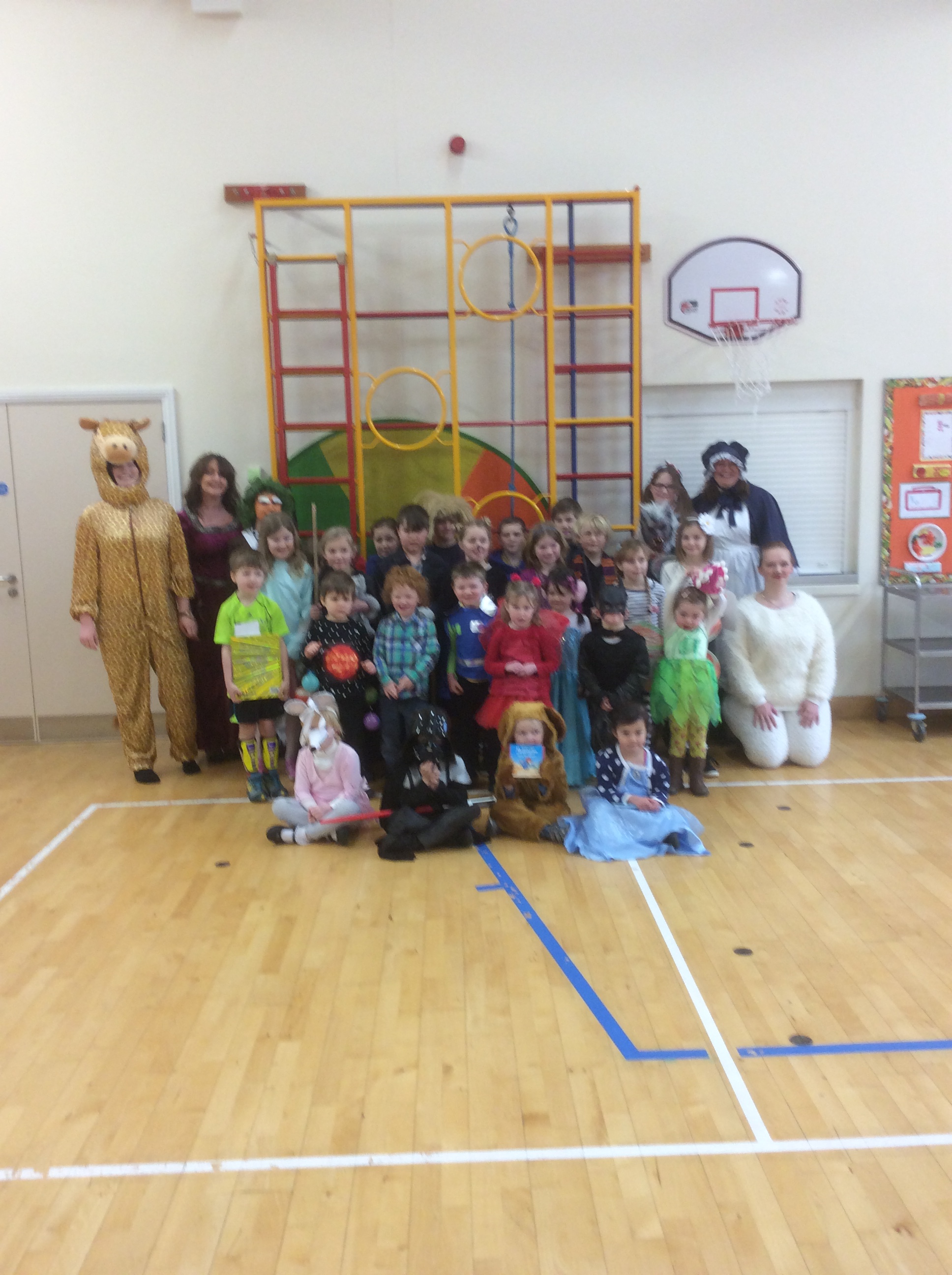
- Which book characters are being portrayed here?
-

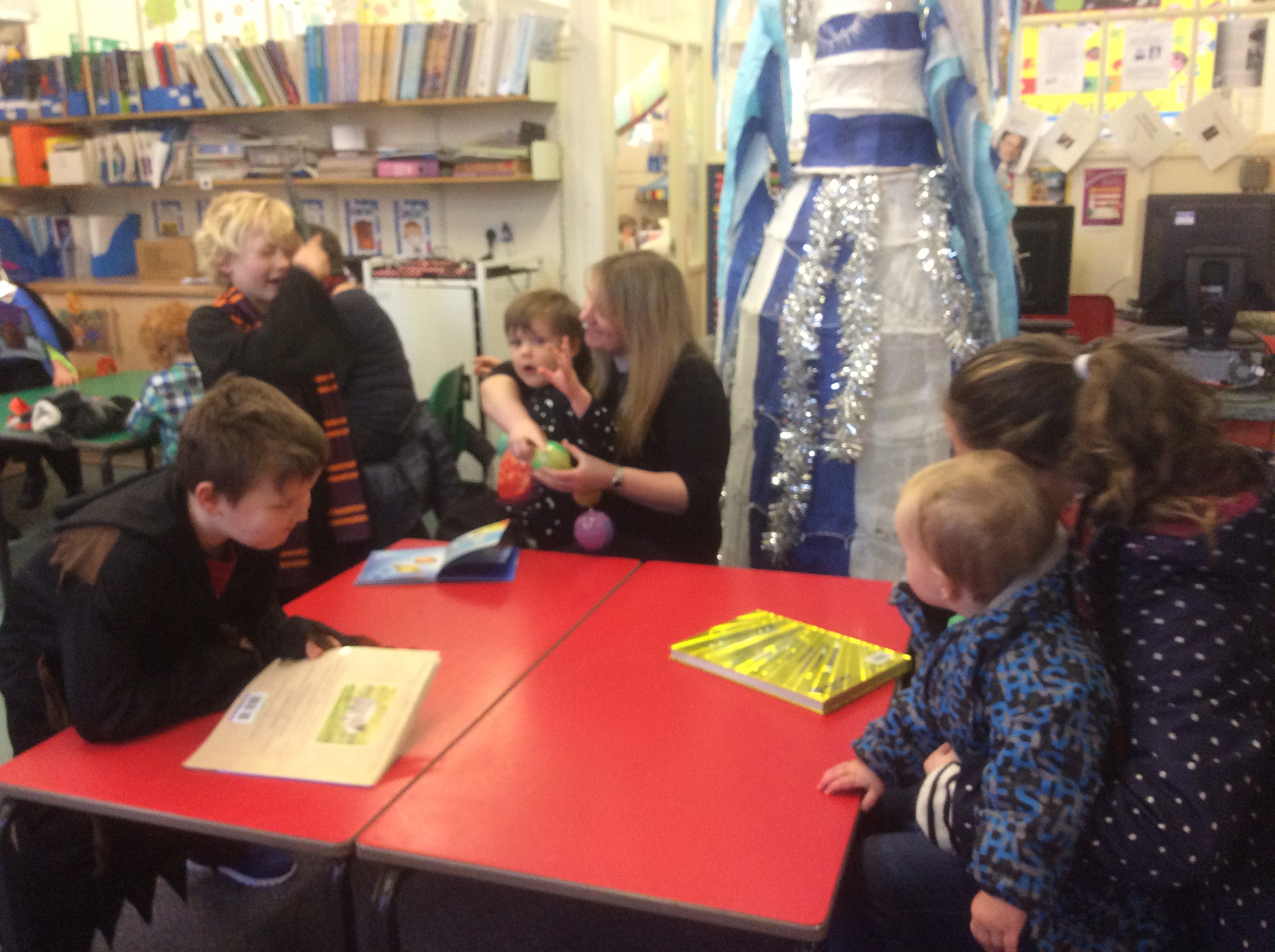
- The Snow Queen watching over our shared redaing sessions.
-
- Did you know Oompa Loompas could read?

-

- It’s never too young to start reading.
