What we are aiming for
At Bassenthwaite, we aim to grow children’s curiosity about the world and prepare them for life in an increasingly scientific and technological society. Science helps pupils ask questions, explore ideas and find answers using evidence.
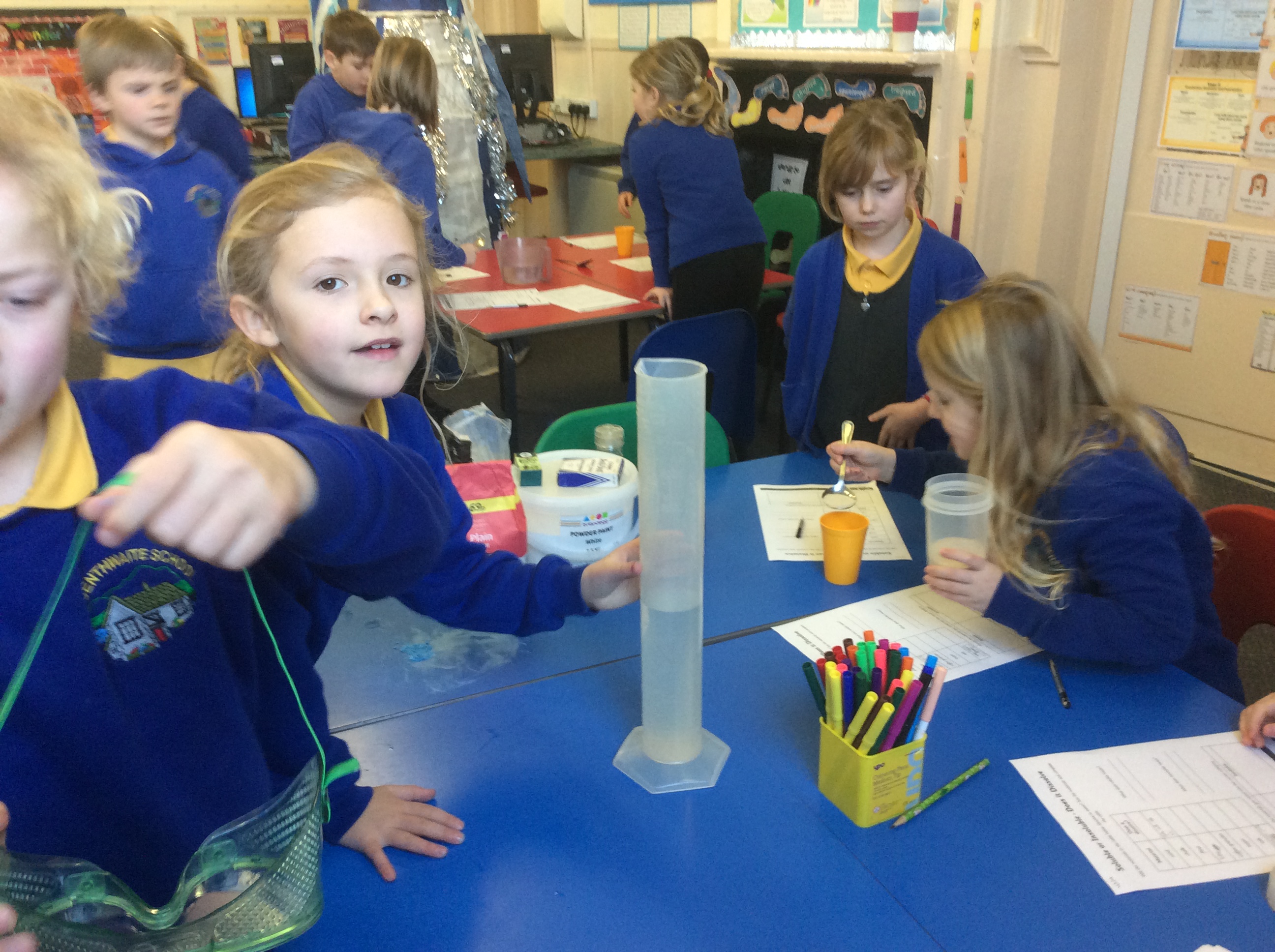
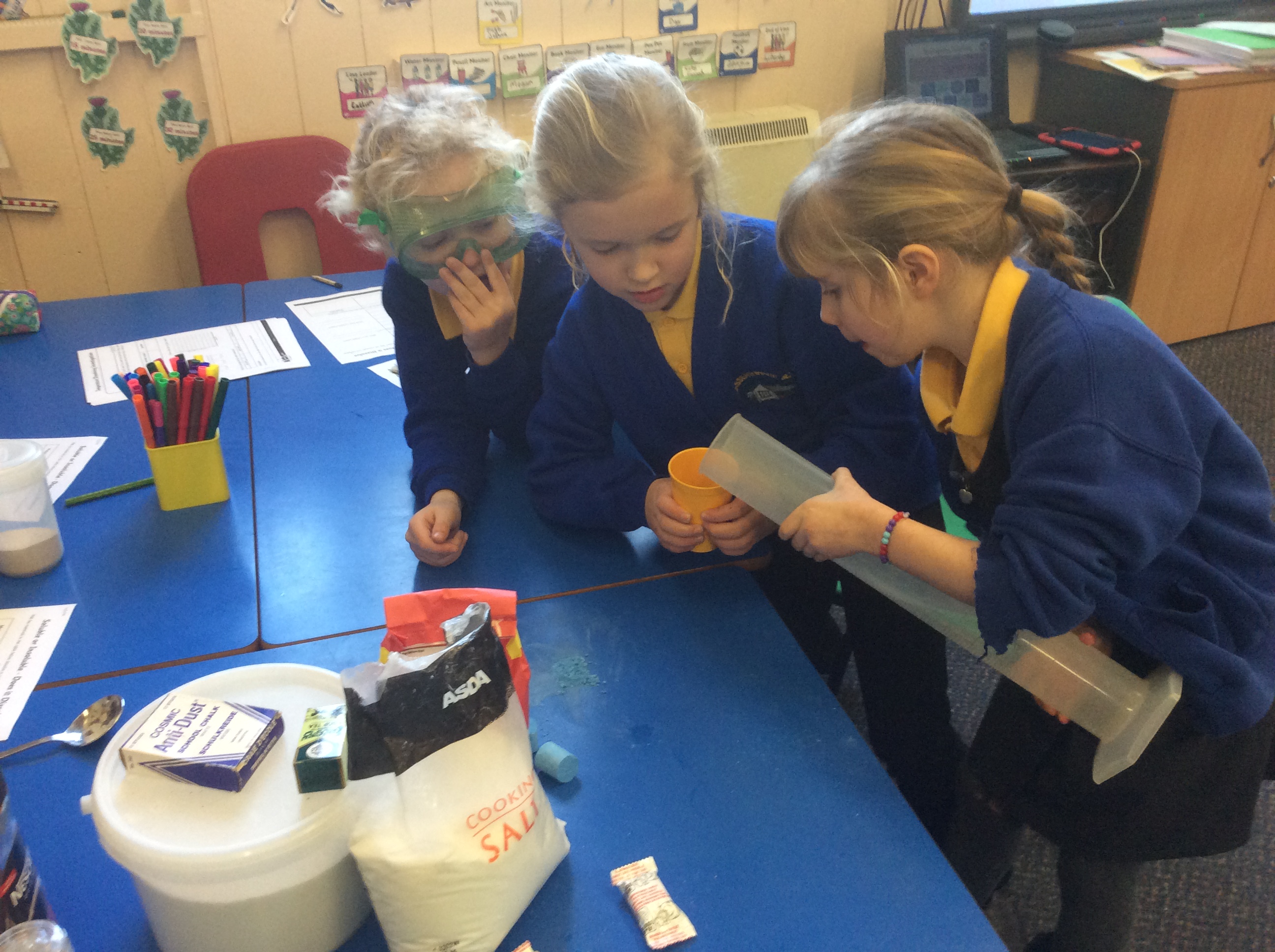
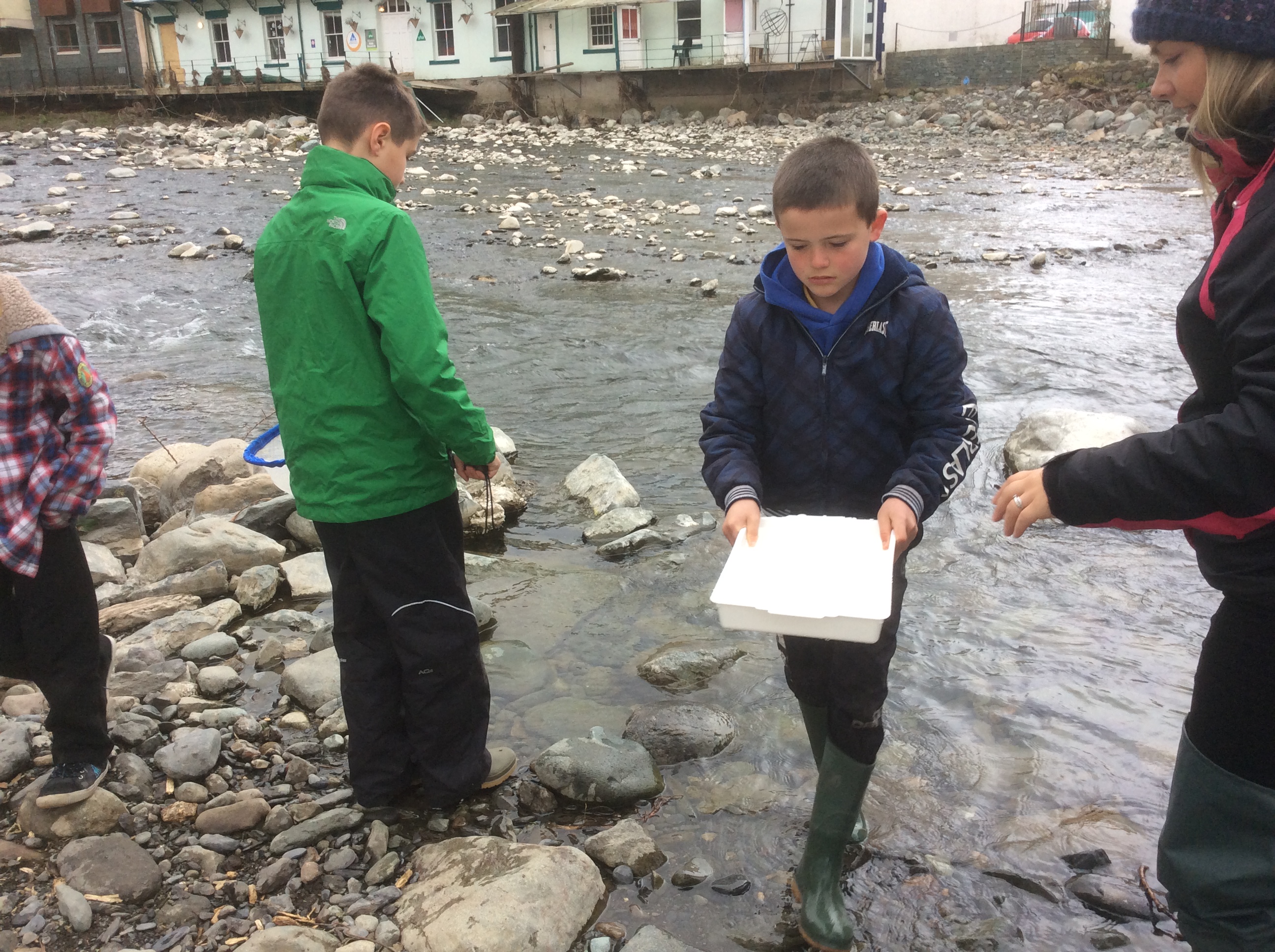
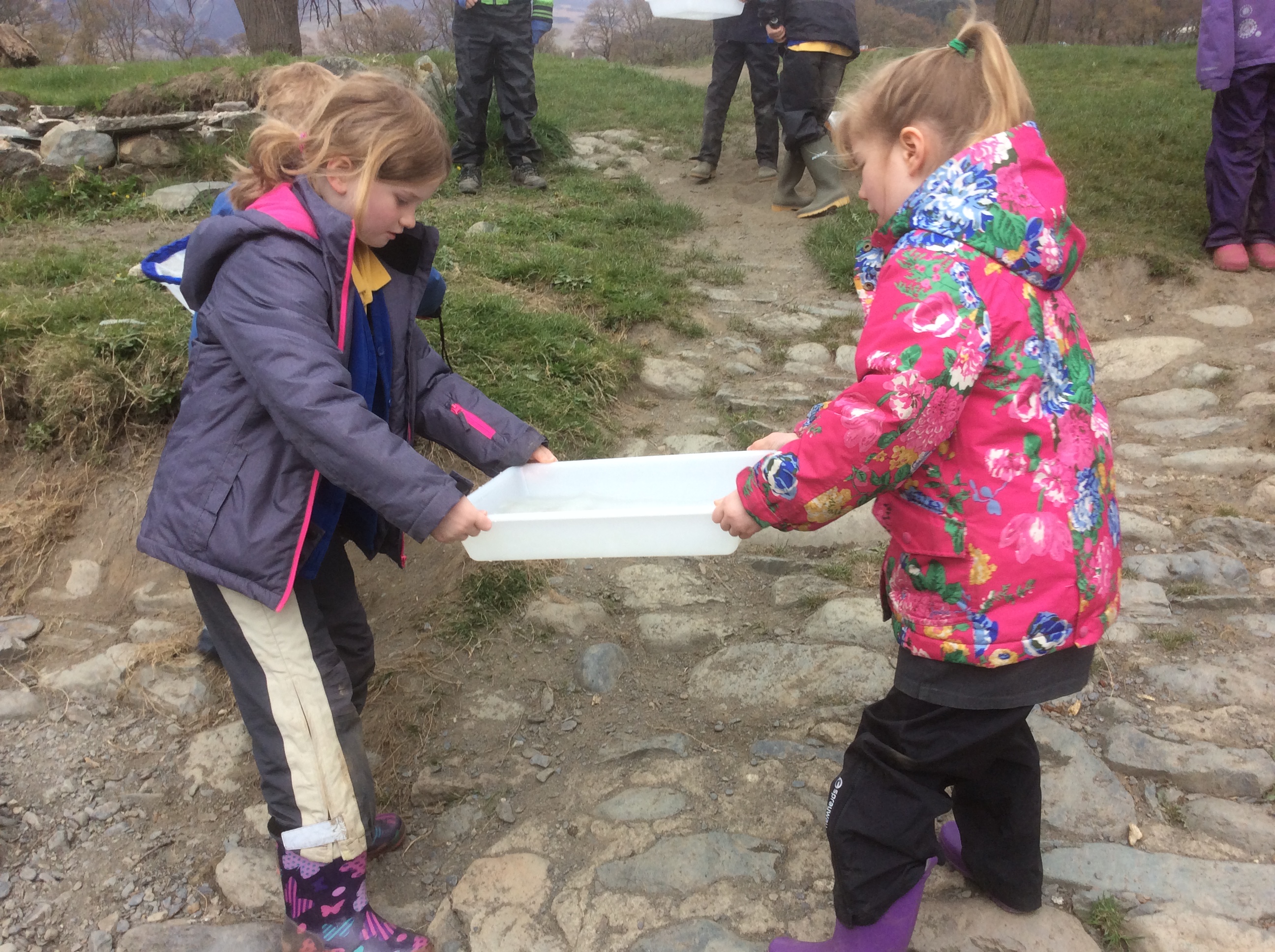
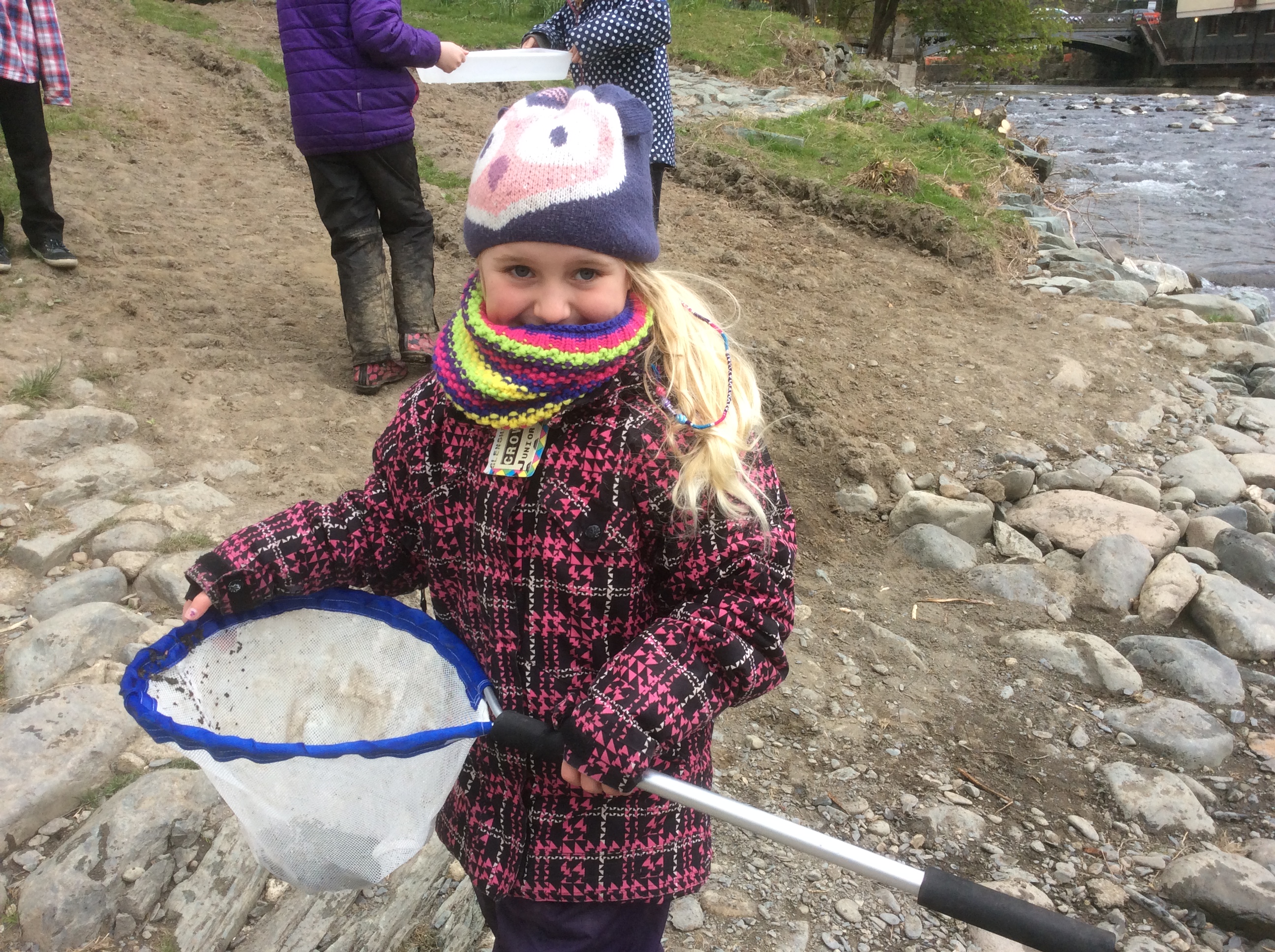
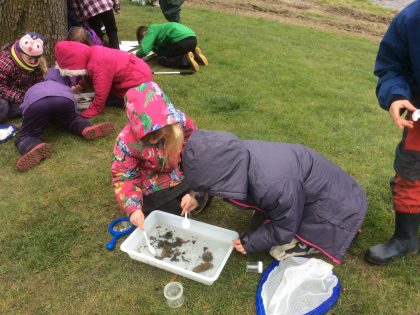
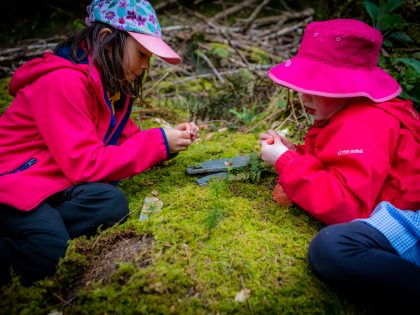
Across biology, chemistry and physics, children build secure knowledge and practical investigation skills. We want pupils to think like scientists — observing, testing, explaining and drawing conclusions. Science learning is connected to real life and makes use of our local and wider environment so that it feels meaningful and engaging.
We aim for children to become confident in using scientific vocabulary, explaining their thinking and showing a genuine interest in discovery.
How learning happens
Mixed-age classes
Science is carefully planned across mixed-age classes to ensure clear progression and full curriculum coverage. Learning is organised into units across the year and key concepts are revisited so knowledge deepens over time.
How we get there
Science is taught through carefully planned units that place scientific enquiry at the centre of learning. Each unit begins with questions that encourage curiosity and guide investigation.
Children learn to work like scientists by:
- observing over time
- seeking patterns
- identifying, grouping and classifying
- carrying out comparative and fair tests
- researching using secondary sources
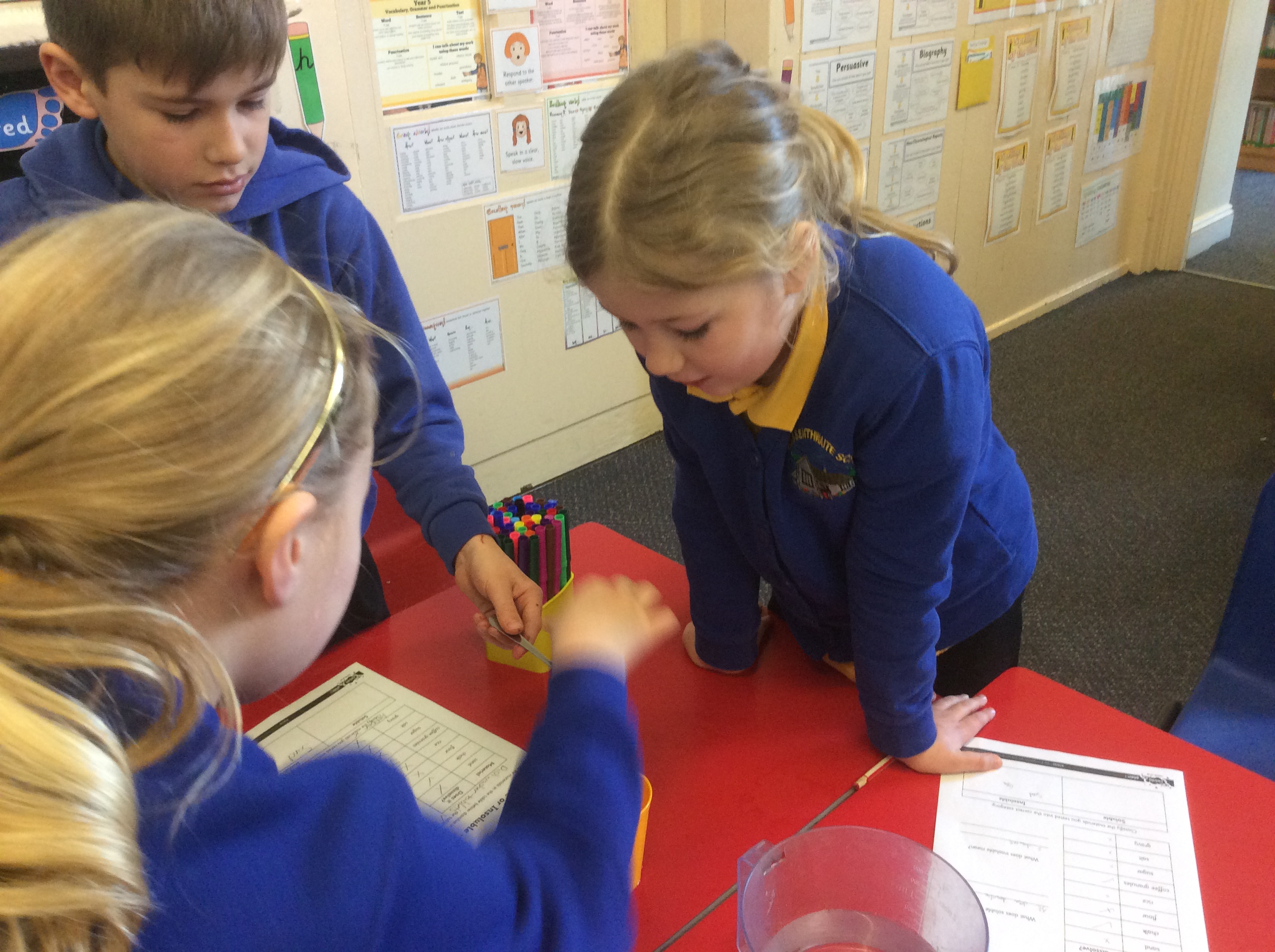
Children are taught to ask questions, make predictions, plan investigations, measure carefully, record results and explain what they find. They learn that evidence helps answer scientific questions and that conclusions can be refined through further enquiry.
Knowledge, vocabulary and scientific thinking
Our science curriculum develops both:
- scientific knowledge, including key ideas in biology, chemistry and physics
- scientific thinking, including enquiry skills, reasoning, analysis and evaluation
Science learning is vocabulary-rich. Key scientific words are introduced, practised and revisited so children can explain ideas clearly and accurately. Learning moves from securing core knowledge to stretching understanding and applying it through increasingly independent investigation.
Children are encouraged to think critically, reflect on outcomes and learn from results, building resilience, independence and confidence over time.
What children gain
Children develop a strong understanding of key scientific ideas alongside the skills needed to investigate and reason. They grow in curiosity, independence and resilience when exploring questions.
They become more confident in planning investigations, handling data and explaining results using scientific language. They learn to spot patterns, test ideas fairly and draw conclusions based on evidence.
By the time they leave Bassenthwaite, pupils see science as relevant and meaningful and are well prepared for the next stage of learning.
How we know
We know children are making progress because we see growing confidence and independence in their investigations and explanations. Pupils use scientific vocabulary, describe processes and explain their findings clearly.
Teachers review learning regularly through enquiry outcomes, discussion, quizzes and retrieval activities. Ongoing checks help identify next steps and address misconceptions quickly so learning stays secure.
How you can help at home
You can support science learning at home through simple, everyday exploration and discussion.
Encourage curiosity
- Welcome questions about how things work
- Explore possible answers together
- Model saying “Let’s find out”
Talk about science in daily life
- Discuss weather, plants, animals and materials you see
- Talk about changes you notice over time
- Use simple scientific words when you can
Try small investigations
- Grow seeds and observe changes
- Test what floats and sinks
- Compare materials or temperatures
Watch and read together
- Use child-friendly science books and videos
- Visit museums, nature areas or science centres
- Talk about what you notice and wonder
Focus on thinking, not just answers
- Ask “What do you notice?” and “Why do you think that?”
- Praise careful observation and good questions
Helpful websites for families
Parents and carers may find the following websites useful for supporting science learning at home:
- BBC Bitesize – Science (Primary)
Videos, quizzes and explanations across biology, chemistry and physics.
https://www.bbc.co.uk/bitesize/subjects/z2pfb9q - National Geographic Kids – Science
Engaging facts, experiments and videos.
https://kids.nationalgeographic.com - Explorify
Short science activities designed to spark curiosity and discussion.
https://explorify.wellcome.ac.uk - STEM Learning – Primary Resources
Simple investigations and ideas linked to real-life science.
https://www.stem.org.uk/resources/primary
These websites are most effective when children are encouraged to talk about what they notice, wonder and question.
Please see our Climate Audit and Action Plan by clicking Climate Audit & Action Plan 2025
Please see our Sustainability Teaching Audit and Action Plan 2025Teaching Audit and Action Plan