
What we are aiming for
At Bassenthwaite, Religious Education is taught within a Christian framework and supports the spiritual, moral, social and cultural development of all children. We encourage pupils to explore beliefs, values and questions of meaning in a thoughtful, respectful and inclusive way.
Religious Education helps children to develop curiosity about faith, belief and worldviews. Pupils learn about Christianity as the principal religion studied, while also developing an understanding of other religions and beliefs represented in our local, national and global community. This supports empathy, kindness and respect for others.
Through Religious Education, children are encouraged to reflect on their own beliefs and values, to ask questions and to consider what it means to live a good and responsible life. Learning supports children to grow in confidence as they express ideas, listen carefully to others and engage respectfully in discussion.
We want children to leave Bassenthwaite with a secure understanding of religious beliefs and practices, alongside the skills needed to reflect, question and respond thoughtfully to moral and spiritual issues.
How learning happens
Mixed-age classes
Religious Education is taught in mixed-age classes where a supportive and respectful environment allows children to share ideas and explore beliefs safely. Units are planned on a rolling cycle ensuring full coverage and clear progression.
Teachers build on children’s prior learning and experiences, using discussion, stories, reflection and creative responses to support understanding and engagement.
How we get there
Religious Education is taught through enquiry-based questions that encourage children to think deeply and reflect carefully. Lessons explore key beliefs, practices, stories and symbols, helping children to understand what people believe and how beliefs influence the way people live.
Children learn through:
- listening to and discussing religious stories and texts
- exploring beliefs, values and practices
- reflecting on moral choices and ethical questions
- comparing similarities and differences between religions
- responding creatively through discussion, writing, art and reflection
Daily acts of collective worship support learning in Religious Education and provide opportunities for reflection, stillness and spiritual growth. Worship is broadly Christian in character, while also developing awareness of other faiths and cultures.
Knowledge, vocabulary and religious thinking
Our Religious Education curriculum develops both:
- knowledge of religions and beliefs, including Christianity and other world faiths
- religious thinking skills, including reflection, questioning, comparison and interpretation
Key vocabulary is taught and revisited so children can talk confidently about beliefs, values and practices. Children learn to explain ideas clearly, listen respectfully and respond thoughtfully to different viewpoints.
Learning encourages children to think independently while developing empathy and understanding for others.
What children gain
Through Religious Education, children:
- develop curiosity about faith, belief and meaning
- grow in empathy and respect for others and their beliefs
- build confidence in sharing ideas and listening to different viewpoints
- reflect on moral choices and values
- develop a sense of spirituality and personal reflection
Religious Education supports children in understanding themselves and others, helping them to become thoughtful, caring and responsible members of the community.
By the time they leave Bassenthwaite, pupils have a secure foundation in Religious Education and are prepared to engage respectfully and confidently with belief and diversity in the wider world.
How we know
We know children are making progress in Religious Education through their ability to talk about beliefs, ask thoughtful questions and reflect on moral and spiritual ideas using appropriate vocabulary.
Teachers assess learning through:
- discussion and questioning
- written and creative responses
- observation of engagement and reflection
- opportunities for evaluation and review
Ongoing assessment and revisiting key ideas ensure understanding is secure and continues to develop as children move through the school.
Parents have the right to withdraw their child from Religious Education or collective worship in line with statutory guidance.
How you can help at home
Parents and carers can support Religious Education by encouraging curiosity, respectful discussion and reflection at home.
Talk about beliefs and values
Ask your child what they have been learning and encourage them to explain their ideas. Share your own family values and talk about kindness, empathy, forgiveness and responsibility in everyday life.
Encourage thoughtful questions
Religious Education is built around big questions. Encourage your child to ask questions such as why people believe different things, what helps people make good choices, and what communities do to celebrate and mark important times.
Explore celebrations and traditions
Talk about festivals and special days that your family or others celebrate. You could notice local events, visit a church, or explore how different religions celebrate in similar and different ways.
Read stories and reflect together
Share age-appropriate stories from the Bible and from other traditions. Talk about the message, what it teaches about people, and how it connects to life today.
Develop respect for others
If your child meets people from different faiths or cultures, encourage them to listen, be respectful and show interest. This helps children grow in empathy and understanding.
Make time for quiet reflection
Create simple moments of stillness at home, such as thinking about what you are grateful for, reflecting on a happy moment, or talking about hopes for others. This supports children’s spiritual development and wellbeing.
Helpful websites for families
Parents and carers may find the following websites useful for supporting Religious Education at home:
- BBC Bitesize – Religious Education (Primary)
Child-friendly explanations of Christianity and other world faiths.
https://www.bbc.co.uk/bitesize/subjects/z7hs34j - TrueTube
Safe, moderated video clips linked to religion and worldviews.
https://www.truetube.co.uk - Church of England – Schools and Families
Resources linked to Christian values and reflection.
https://www.churchofengland.org/about/education-and-schools
These resources support curiosity, respect and thoughtful discussion.
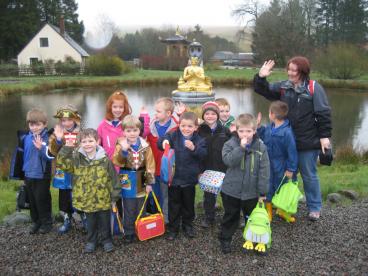
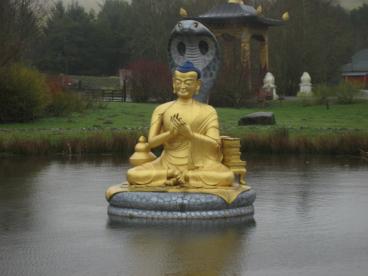
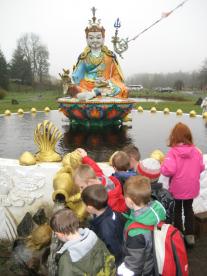
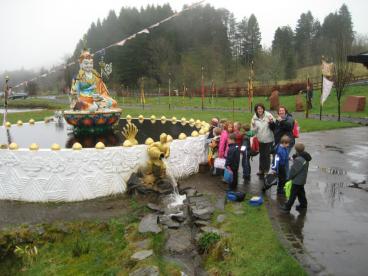
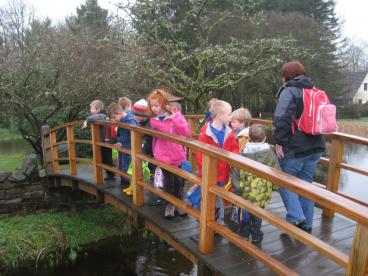
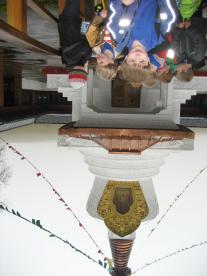
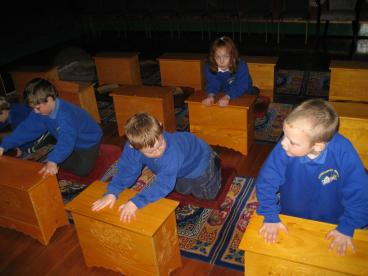
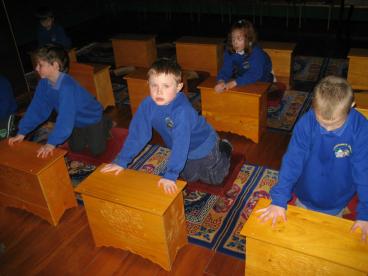
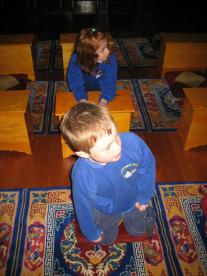
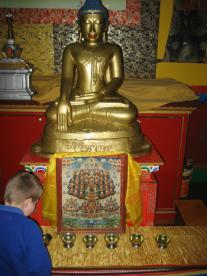
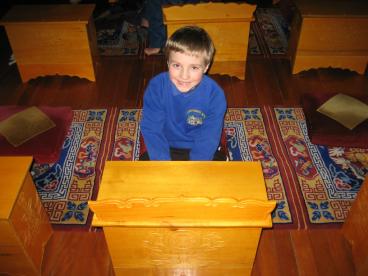
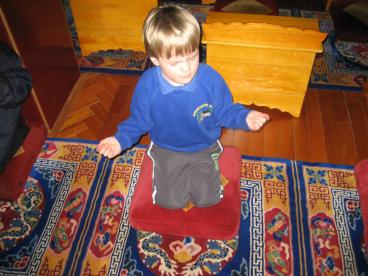
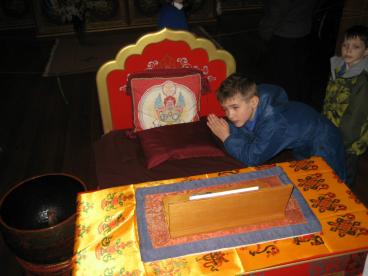
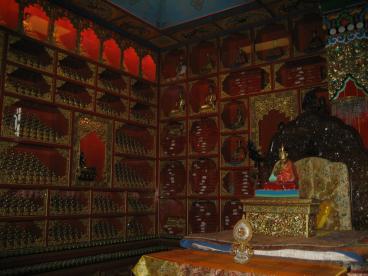
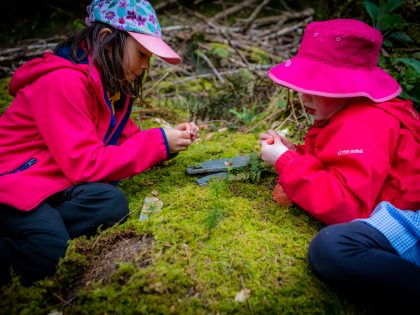
We really enjoyed our visit to Samye Ling, a Buddhist temple.